
The Delicate Dance of Farming

A Texas farmer plowing a field, circa. 1900. (Library of Congress)
In the early 1900s, nearly all agricultural undertakings meant long days of arduous and labor-intensive tasks. Farmers relied on traditional methods, often working the land by hand or with the assistance of mules or horses. Without any significant technology, cultivation was slow and took immense physical effort. However, farmers enjoyed the supportive connectedness found in many rural communities. There was a sense of solidarity. Family and neighbors often came together during crucial times like planting and harvesting.
Looking from afar, farming can seem nostalgic—and even romantic. The dream of many early Americans was to strike out on their own to work the land, for better or for worse. The Hollywood vision of sweeping fields, rugged field hands, and rambling farm houses with wide porches is perhaps more alive than ever. After decades of sedentary, screen-dominated lives, people are yearning to get some dirt on their hands and feel the satisfaction of pulling a fresh carrot out of the ground. Bringing a truckload of homegrown produce to the local farmer’s market to pocket a bit of cash is the ultimate victory. But how many can withstand the incredible test of endurance the farming lifestyle demands?
At the end of 2022, Homesteaders of America surveyed almost 4,000 homesteaders. What did aspiring homesteaders indicate was their biggest drawback? 51 percent said finances were an issue, and 50 percent shared that finding land was a big hurdle. When asked what prompted them to begin their homesteading, nearly 60 percent claimed it was food security. Beyond any armchair fantasy, times seem to have changed enough to where survival is at stake and the tough must get going. Perhaps we’ve come full circle.
Spoiled as we are with the modern conveniences of grocery stores and countless restaurant options, it’s important to think for a moment about the stark contrasts between producing and delivering food at the turn of the nineteenth century and today. In the past few years, people’s interest in growing their own food has soared. But the landscape has transformed dramatically, too. While technological advancements have eased the physical burden, modern farmers face an array of new challenges. Climate change, fluctuating market prices, and competition with large-scale commercial agriculture conglomerates pose significant hurdles for the independent farmer. Balancing tradition with innovation becomes a delicate dance, as farmers strive to remain sustainable while adapting to reality and regulations around farming.
Independent farmers must also navigate a complex web of risk and reward. Erratic weather patterns, pest infestations, and high operating costs mean success is hard-fought. Yet, the reward of self-sufficiency, that beautiful connection to the land, and the satisfaction of feeding your family and community is immeasurable. Not all are ready for the delicate dance of farming reality: a move that requires resilience, adaptability, and deep passion for the work.
Small farms will find themselves grappling with a lot more than just planting and harvesting. They’ll be facing all kinds of tasks that require a combination of skills and resources that take time to develop and acquire. From basic agricultural knowledge and proficiency in crop rotation to constant repairs and figuring out sustainable practices, the successful farmer is going to be changing hats daily. And making sure to cultivate relationships within the community is critical. That takes effort. There’ll be no more isolating and playing video games all day! Being there for each other come “hell or high water” takes on an entirely new meaning.
Farmers must have a lot of variables to make it, including proper seeds, correct soil conditions, abundant water, power generation including solar and wind options, systematic irrigation, reliable equipment, pest management, good health and extra help. Be prepared to learn. Understanding the intricacies of seasonal planting and harvesting cycles is not learned overnight. Connecting with others, at universities and in online communities, means staying current with both DIY hacks and technological advancements. It’s also the way to bolster confidence and share heartaches, which are sure to happen.
Many things have changed since our ancestors found their way to the South. But standing the test of time is the stoic farmer whose dedication remains unwavering regardless of time or place. There is an enduring sync between the land and those who cultivate it, requiring a delicate balance between tradition and innovation, resilience in the face of adversity, and a commitment to sustaining both family and community. Are you ready?

Dedication Celebration
Contact us to request an invitation to The Dirden Farm Historical Marker Dedication Celebration on Saturday, April 19, 2025, in Jacksonville, Texas.
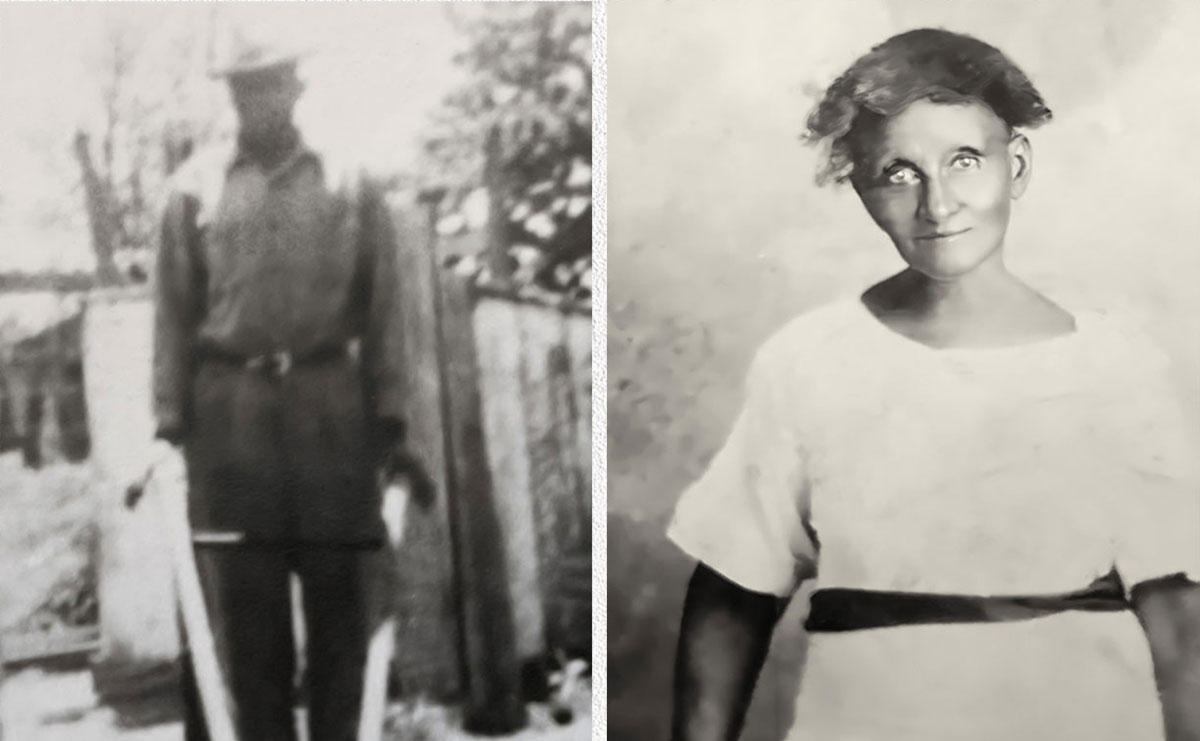
Farm History
Read more about the Dirden story in our visual record of farm milestones, from 1848 to today.

Experience the Past; Embrace the Future
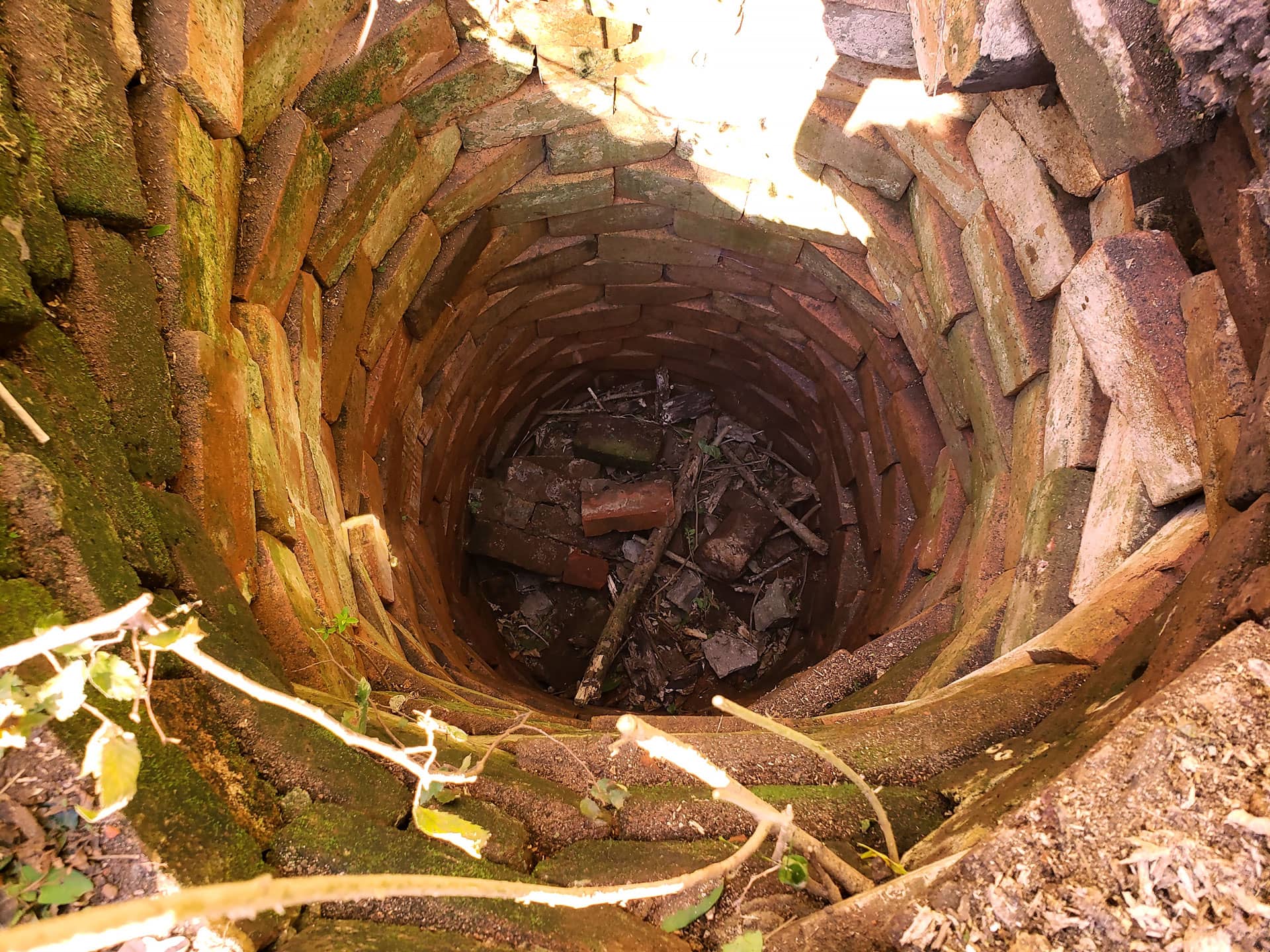
Old Well Discovery
An old brick well found on the property gives a glimpse into life on The Dirden Farm in the early days. Find out more about the Dirden family and the farm's history in the timeline.
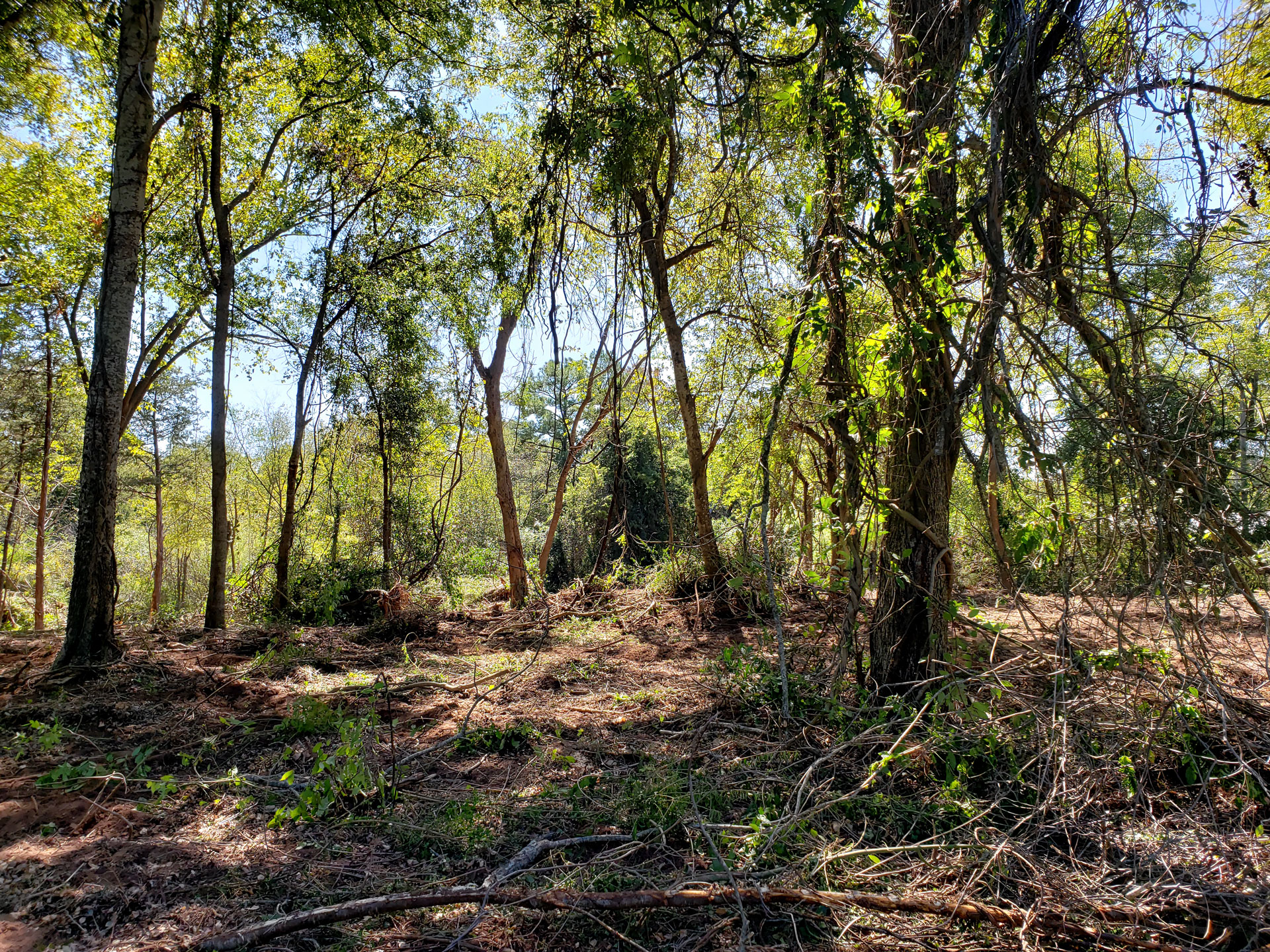
Clearing the Property
After decades of inactivity, work to clear the farm began in late 2023. The farm has been declared a Texas historical property as one of the oldest former slave-owned properties in the state.

Steph and Corrine Dirden
Steph and Corrine were featured in the October 2023 issue of Neighbors of Lakeway & Bee Cave magazine. Steph traced his family tree, discovering ancestors he never knew existed.
Lift Every Voice
Enjoy this highlight reel taken during the Dirden Farm Historical Marker Dedication Celebration, held on April 19, 2025. We are blessed and uplifted by all who supported this monumental effort!
The events of the day are memorialized in the beautifully-designed program.